How Early Training Sets Puppies Up for Better Behaviour Long Term
Bringing a new puppy home is exciting, heart-warming, and a little overwhelming. One moment they are cuddled up beside you, and the next they are chewing shoes or barking at shadows. Many owners think these behaviours will fade with time, but the truth is that early training plays a huge role in shaping how a dog behaves for years to come.
In this article, we will look at why early puppy training matters so much, what skills puppies should learn first, and how structured training sets them up for calm, confident behaviour as adults. Whether you are a first-time dog owner or adding another pup to your family, understanding these basics can save you stress and help your puppy thrive.
Why Early Training Matters
The Critical Socialisation Window
Puppies go through a key learning phase between about 8 and 16 weeks of age. During this time, their brains are open to new experiences. What they see, hear, and feel shapes how they react to the world later on.
Early socialisation means safely exposing puppies to different people, friendly dogs, sounds, surfaces, and environments. Puppies who miss this window may grow up fearful or reactive. Those who experience it properly tend to be calmer, more confident, and easier to manage in everyday situations like walks, vet visits, or meeting guests at home.
Setting Good Habits Before Bad Ones Start
Puppies are always learning, even when no one is teaching them. If a puppy learns that jumping gets attention or barking makes people react, those habits stick. Early training helps guide puppies toward behaviours you actually want.
Teaching simple rules early is much easier than trying to fix problems later. A puppy that learns boundaries from the start is far less likely to develop issues like leash pulling, rough play, or constant barking as an adult.
Key Skills Every Puppy Should Learn Early
Basic Obedience Commands
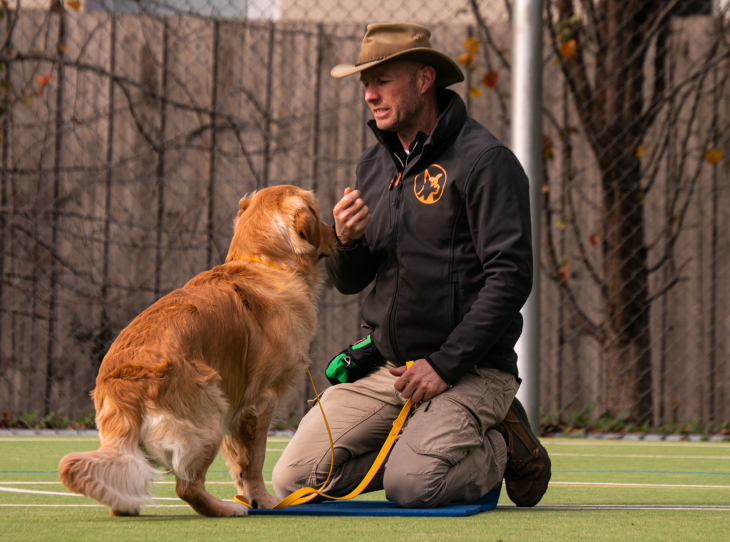
Basic commands are more than party tricks. They are tools that help puppies understand how to behave in the human world. Commands like sit, stay, come, and leave it help build communication between you and your puppy.
When taught early, these commands improve safety and control. A puppy that comes when called or waits calmly is easier to manage in busy or distracting places. Over time, these skills form the foundation for good manners and reliable behaviour.
House Training and Daily Routines
House training is often the first challenge new puppy owners face. Early training helps puppies understand where and when it is okay to go to the toilet. Consistent routines make learning faster and reduce accidents.
Daily routines also teach puppies what to expect. Regular times for meals, play, rest, and training help puppies feel secure. A puppy that knows what comes next is less likely to feel anxious or act out.
How Structured Training Improves Long-Term Behaviour
Professional training gives puppies a structured way to learn important skills while owners receive guidance and support. Puppy classes combine socialisation, basic obedience, and behaviour education in a safe setting.
For owners looking for expert guidance, enrolling in puppy training Melbourne programs can provide a strong start. These classes focus on age-appropriate training that supports healthy development and long-term behaviour.
Benefits of Puppy Classes or Schools
Puppy schools offer more than just training commands. They help puppies learn how to interact politely with other dogs and people. Trainers can also spot early signs of problem behaviour and help correct them before they grow.
Owners benefit too. Learning how to communicate clearly with a puppy builds confidence and consistency at home. This shared learning experience strengthens the bond between puppy and owner.
At-Home Training Support
What happens at home matters just as much as what happens in class. Short, regular training sessions help reinforce what puppies learn in structured settings. Consistency from all family members is key.
Simple practices like rewarding calm behaviour, ignoring unwanted actions, and keeping training positive make a big difference. Puppies respond best when learning feels fun and rewarding.
Tools and Techniques for Effective Puppy Training
Positive Reinforcement and Rewards
Positive reinforcement is one of the most effective training methods. It means rewarding behaviours you like so the puppy wants to repeat them. Rewards can include treats, praise, toys, or play.
This approach builds trust and motivation. Puppies trained with positive methods are often more confident and eager to learn. Punishment, on the other hand, can create fear and confusion, which leads to behaviour problems later on.
Training Tools That Help
Simple tools can support early training when used correctly. Clickers or verbal markers help puppies understand exactly when they have done something right. Leashes, harnesses, and chew toys also guide behaviour safely.
The goal is not to rely on tools forever but to use them as teaching aids. Over time, puppies learn to respond to cues without needing constant rewards or prompts.
Common Challenges and How Early Training Helps
Fear, Anxiety, and New Environments
Many adult dogs struggle with fear because they were not exposed to new experiences early. Loud noises, busy streets, or unfamiliar people can feel overwhelming.
Early training introduces these experiences in a controlled way. Puppies learn that new things are not scary, which reduces anxiety later in life. Confident dogs are easier to handle and enjoy a better quality of life.
Chewing, Barking, and Impulse Behaviours
Chewing and barking are normal puppy behaviours, but they need guidance. Early training teaches puppies what is okay to chew and when barking is appropriate.
By redirecting these behaviours early, owners prevent habits from becoming long-term problems. Puppies learn self-control, which leads to calmer adult dogs.
Ongoing Learning and Long-Term Success
Daily Habits That Reinforce Training
Training does not end when puppy classes finish. Daily habits like asking for a sit before meals or rewarding calm greetings reinforce good behaviour.
These small moments add up. Consistent expectations help dogs understand their role in the household and maintain good manners as they grow.
Continuing Education Beyond Puppyhood
As puppies mature, their needs change. Adolescent dogs may test boundaries, making continued training important. Advanced classes or refresher sessions help keep skills sharp.
Lifelong learning keeps dogs mentally stimulated and well behaved. Dogs that continue training tend to stay engaged and responsive well into adulthood.
Conclusion
Early puppy training is one of the best investments you can make in your dog’s future. By focusing on socialisation, basic skills, and positive learning from the start, you help shape a dog that is confident, calm, and enjoyable to live with.
Training early does not just prevent problems. It builds trust, strengthens your bond, and sets clear expectations for life together. With patience, consistency, and the right support, early training truly sets puppies up for better behaviour long term.