Top 5 Benefits of Using a Chat SDK for Your Business
Modern businesses depend on real-time communication to meet customer expectations. As users increasingly prefer instant messaging over emails or calls for shopping, support, and work, a reliable chat function has shifted from an innovation to a practical necessity. Implementing chat effectively can directly impact sales, service quality, and user trust. This article explores how integrating a chat sdk can deliver measurable benefits, helping businesses turn conversations into daily habit.
1. Boost Sales and Conversion Rates
Answer Questions Instantly to Close Deals
Instant answers play a critical role when customers are deciding whether to buy. In daily life, people often browse products during short breaks or while commuting, and delays can easily cause them to lose interest. A chat SDK allows sales or support teams to respond immediately, removing hesitation at the key moment. Quick clarification on price, delivery, or usage can turn uncertainty into confidence. This kind of interaction feels natural because it mirrors how people message friends or colleagues. Over time, faster responses directly translate into higher conversion rates.
Personalize Shopping with Live Product Support
Live chat enables businesses to provide guidance that feels personal rather than automated. When customers ask questions in their own words, support teams can tailor responses to specific needs. This is especially helpful for complex products that require explanation before purchase. In practice, personalized chat reduces returns because buyers better understand what they are getting. Many companies adopt proven solutions like Tencent RTC’s chat SDK, which is trusted by thousands of brands worldwide, because reliability matters when chat becomes part of the sales journey. Personalized support builds trust and encourages repeat purchases.
2. Enhance Customer Service and Satisfaction
Offer Faster, More Convenient Support
Chat support fits naturally into modern routines where people multitask across devices. Customers can send a message and continue with other activities while waiting for a reply. This flexibility makes support feel less intrusive than phone calls. Faster response times also reduce frustration, especially for simple issues. Over time, users associate the brand with convenience and efficiency. This positive experience directly improves satisfaction levels.
Reduce Costs Compared to Phone and Email
Chat allows support agents to handle multiple conversations at once, which is difficult with phone calls. This efficiency lowers staffing costs without sacrificing service quality. Email support often involves long threads and delayed responses, while chat keeps conversations focused. For businesses, this means faster resolution and less operational overhead. Customers also benefit because issues are solved in real time. The result is a cost-effective support system that scales with demand.
3. Increase User Engagement and Retention
Build a Connected User Community
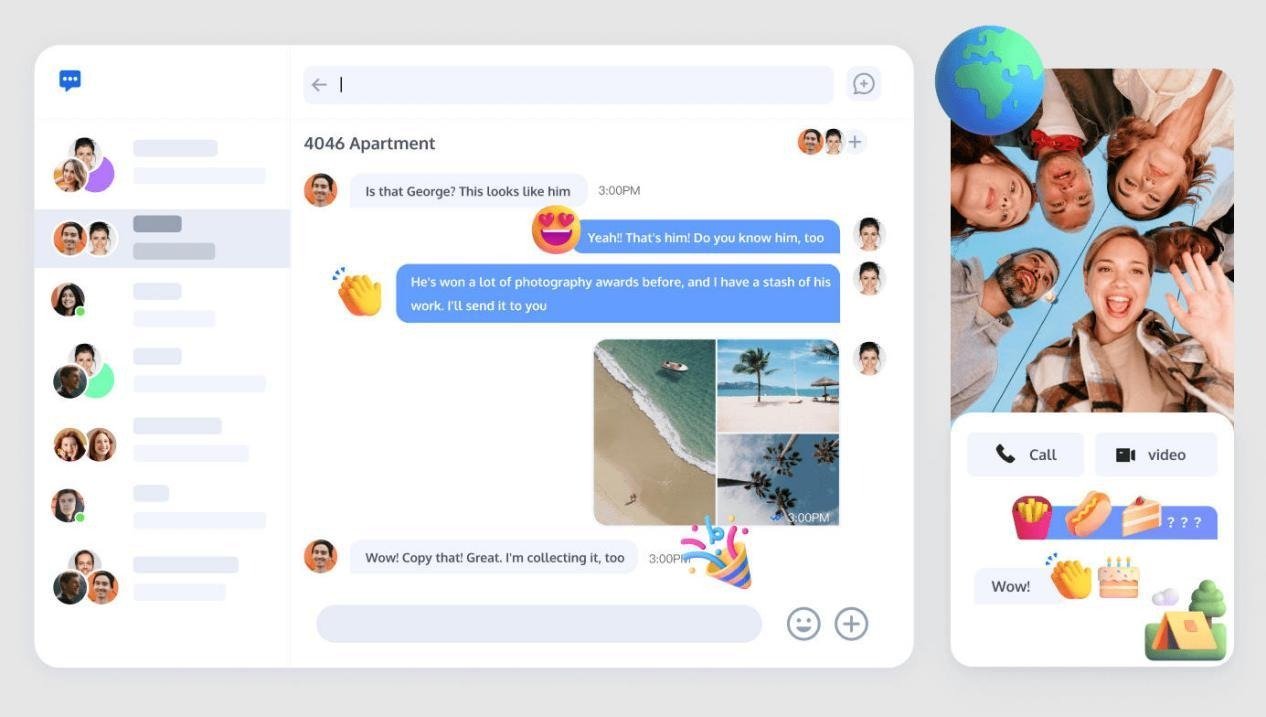
Chat is not only for problem-solving but also for building relationships. In many apps, users enjoy sharing experiences, tips, or feedback through messaging features. This sense of connection keeps people coming back. A chat SDK makes it easier to create spaces where users feel heard and involved. When communication feels open, users are more likely to stay loyal. Engagement grows naturally through everyday interaction.
Keep Users Active with Direct Communication
Direct messages are more effective than generic notifications. When businesses reach out through chat, messages feel personal rather than promotional. This approach is useful for updates, reminders, or helpful tips related to user activity. Regular but meaningful communication keeps users active without overwhelming them. Over time, chat becomes a familiar channel that users trust. This consistency improves long-term retention.
4. Accelerate Product Development
Launch Chat Features in Weeks, Not Months
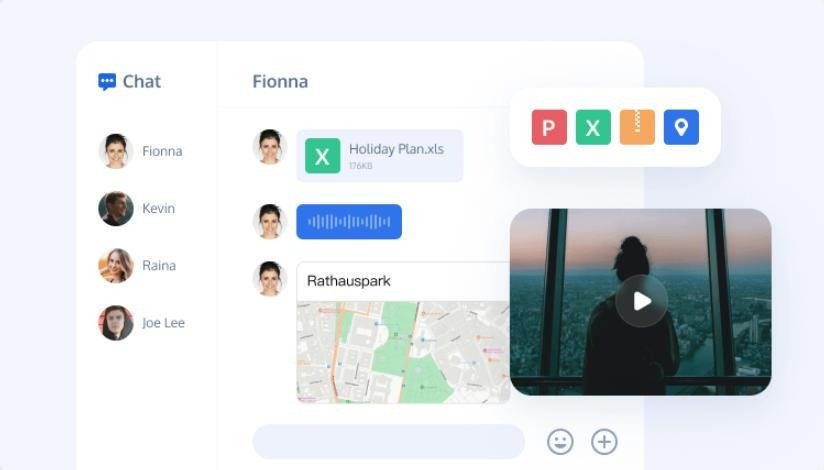
Building a chat system from scratch can take months and require ongoing maintenance. A chat SDK shortens this timeline significantly. Developers can integrate ready-made features and focus on improving the core product. Faster launches mean businesses can respond quickly to user needs. In everyday terms, this agility helps products stay relevant. Speed becomes a competitive advantage.
Leverage Scalable, Secure Infrastructure
Scalability is crucial as user numbers grow unpredictably. A reliable chat SDK handles traffic increases without performance loss. Security is equally important because users expect privacy by default. Using a mature solution reduces the risk of technical issues. Businesses can grow with confidence knowing the infrastructure supports them. This stability is essential for long-term success.
5. Gain Valuable Customer Insights
Understand User Needs Through Conversation Data
Chat conversations reveal what users care about most. Common questions highlight unclear features or missing information. Over time, patterns emerge that guide product decisions. This feedback is more direct than surveys because it reflects real situations. Businesses gain insight into everyday user behavior. These insights help prioritize improvements.
Improve Products Based on Direct Feedback
When users share feedback through chat, they expect action. Responding and making visible changes builds trust. This cycle of feedback and improvement strengthens the product. Chat also allows businesses to test ideas informally before major updates. Users feel involved in the process. As a result, products evolve in line with real needs.
Conclusion
Adding a chat SDK is not just a technical upgrade but a practical step toward better everyday communication. From increasing sales to improving support and engagement, chat touches multiple aspects of a business. When done thoughtfully, it blends seamlessly into users’ daily routines. Businesses that prioritize clear and convenient communication gain long-term trust. Over time, chat becomes a quiet but powerful driver of growth and satisfaction.