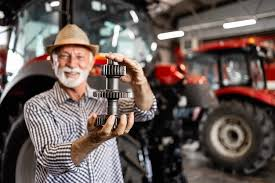
Essential Maintenance for Tractor Gear Systems
Tractor gear systems work hard every day in farms, construction sites, and industrial fields. These systems transfer engine power to the wheels and attachments. Many farmers and technicians rely on the carraro transmission parts catalog to identify the correct components when maintaining or replacing gearbox parts. Proper maintenance keeps tractors strong, efficient, and safe during heavy-duty tasks.
A well-maintained gear system reduces downtime and repair costs. It also improves fuel efficiency and extends the life of the tractor. Understanding how tractor transmission systems work helps owners protect their investment.
Understanding Tractor Gear Systems
Tractor gear systems include the gearbox, clutch, differential, and final drive. These parts work together to control speed and torque. When a driver changes gears, the system adjusts power output to match field conditions.
Most tractors use manual, semi-automatic, or power-shift transmissions. Each type requires proper lubrication and inspection. Clean and well-lubricated gears prevent friction and overheating. Regular servicing protects internal components from early wear.
The table below explains key components in tractor gear systems:
| Component | Function in the Gear System |
| Gearbox | Controls speed and torque |
| Clutch | Engages and disengages power |
| Differential | Distributes power to wheels |
| Final Drive | Transfers power to axles |
Understanding these parts helps farmers detect early warning signs of damage.
Importance of Regular Lubrication
Lubrication plays a vital role in gear maintenance. Gear oil reduces friction between metal surfaces. Without proper oil levels, gears can grind and overheat.
Technicians should check oil levels before heavy use. They should also replace oil according to the manufacturer’s schedule. Dirty or old oil loses its protective ability. Fresh gear oil protects bearings and prevents corrosion.
High-quality transmission fluid improves smooth gear shifting. It also reduces noise and vibration during operation. Consistent lubrication ensures reliable performance under heavy loads.
Inspecting Gears for Wear and Damage
Regular inspection prevents costly breakdowns. Farmers should listen for unusual sounds such as grinding or whining. These sounds often signal gear wear or alignment problems.
Visual inspection also helps identify cracks or chipped teeth. Worn gears reduce efficiency and increase fuel consumption. Technicians should replace damaged parts quickly to avoid further damage.
Here are common warning signs of gear system problems:
| Warning Sign | Possible Cause |
| Grinding Noise | Worn gear teeth |
| Hard Gear Shifting | Low transmission fluid |
| Oil Leaks | Damaged seals or gaskets |
| Overheating | Poor lubrication |
Early detection saves money and reduces downtime.
Maintaining the Clutch System
The clutch system connects the engine to the gearbox. It allows smooth gear changes. A worn clutch causes slipping and poor power transfer.
Drivers should avoid riding the clutch pedal during operation. Excess pressure increases wear. Regular clutch adjustment improves performance and prevents sudden failure.
Technicians should inspect clutch plates for wear thickness. They should also check linkage alignment. A properly adjusted clutch supports smooth and efficient gear shifting.
Preventing Contamination and Dirt Damage
Tractors operate in dusty and muddy environments. Dirt and water can enter the transmission system if seals fail. Contaminants damage gears and bearings quickly.
Operators should inspect seals and gaskets regularly. They should clean the exterior of the gearbox after heavy fieldwork. Keeping the system clean protects internal components.
Using proper storage practices also helps. Parking tractors under cover reduces exposure to moisture. Clean equipment lasts longer and performs better.
Checking Bearings and Shafts
Bearings support rotating shafts inside the gearbox. Worn bearings cause vibration and noise. Regular inspection helps detect looseness or misalignment.
Technicians should check shaft alignment during maintenance. Proper alignment prevents uneven gear wear. Replacing worn bearings improves stability and reduces stress on gears.
The table below shows common bearing issues:
| Bearing Issue | Impact on Gear System |
| Excessive Play | Causes vibration |
| Overheating | Leads to premature failure |
| Rust Formation | Weakens bearing strength |
Healthy bearings support smooth gear rotation.
Monitoring Differential and Final Drive Systems
The differential distributes power between rear wheels. It allows smooth turning during field operations. The final drive increases torque before power reaches the wheels.
Operators should inspect differential oil levels regularly. Low oil levels increase friction and heat. Over time, this damage spreads to connected gears.
Technicians should also check for oil leaks near axle housings. Proper sealing prevents contamination and oil loss. Strong differential systems ensure balanced traction and stability.
Scheduling Preventive Maintenance
Preventive maintenance reduces unexpected breakdowns. Farmers should follow a service schedule based on operating hours. Routine checks keep the tractor ready for demanding tasks.
Maintenance logs help track oil changes, inspections, and part replacements. Consistent record keeping improves long-term reliability. It also increases resale value.
Simple habits such as warming up the engine before heavy work protect the gear system. Smooth driving reduces stress on internal components. Preventive care protects both performance and investment.
Conclusion
Essential maintenance for tractor gear systems protects performance, safety, and durability. Proper lubrication, regular inspection, and timely part replacement prevent costly repairs. Clean transmission fluid, healthy bearings, and strong clutch systems ensure smooth power transfer.
Farmers and technicians who understand gearbox components can detect problems early. Regular servicing keeps tractors efficient during heavy workloads. With proper care, tractor transmission systems can deliver reliable performance for many years.