Best Neuro Ophthalmologist for Optic Nerve and Vision Loss Conditions
Vision depends on healthy communication between the eyes and the brain. When this pathway is disrupted, especially at the level of the optic nerve, it can lead to partial or complete vision loss. Neuro ophthalmology is a specialized field that focuses on visual problems related to the nervous system.
Choosing the right neuro ophthalmologist is essential when dealing with optic nerve damage, unexplained vision changes, or neurological conditions affecting sight. This article explains optic nerve disorders, when to seek care, and how a specialist ensures accurate diagnosis and effective management.
Understanding Neuro Ophthalmology and Optic Nerve Disorders
Neuro ophthalmology combines neurology and ophthalmology to diagnose and manage vision problems related to the brain, optic nerve, and eye movement control systems.
The optic nerve carries visual information from the retina to the brain. Any damage along this pathway can interfere with vision clarity, field of vision, or color perception.
Common optic nerve and neuro-visual conditions include:
- Optic neuritis
- Ischemic optic neuropathy
- Papilledema
- Compressive optic neuropathy
- Multiple sclerosis-related vision changes
- Brain tumors affecting the visual pathways
Early diagnosis is important because some of these conditions may indicate underlying neurological diseases.
Symptoms of Optic Nerve and Vision Loss Conditions
Recognizing early warning signs helps prevent further damage. Symptoms may include:
- Sudden or gradual vision loss
- Blurred or dim vision
- Loss of peripheral vision
- Pain during eye movement
- Double vision
- Changes in color perception
Some optic nerve conditions may present without pain, making routine evaluation important if visual disturbances occur.
When Should You See a Neuro Ophthalmologist?
You may need a specialized evaluation if:
- Vision loss cannot be explained by a routine eye examination
- Brain imaging shows abnormalities affecting vision
- There is unexplained optic nerve swelling
- You have neurological symptoms along with vision problems
- You have conditions like multiple sclerosis or stroke affecting your sight
Neuro ophthalmologists conduct detailed assessments to identify whether the cause is ocular, neurological, or systemic.
In Chandigarh, individuals searching for the best neuro ophthalmologist in Chandigarh usually prioritize expertise in optic nerve evaluation, advanced imaging, and collaborative neurological care before selecting a specialist.
Diagnostic Tests for Optic Nerve Disorders
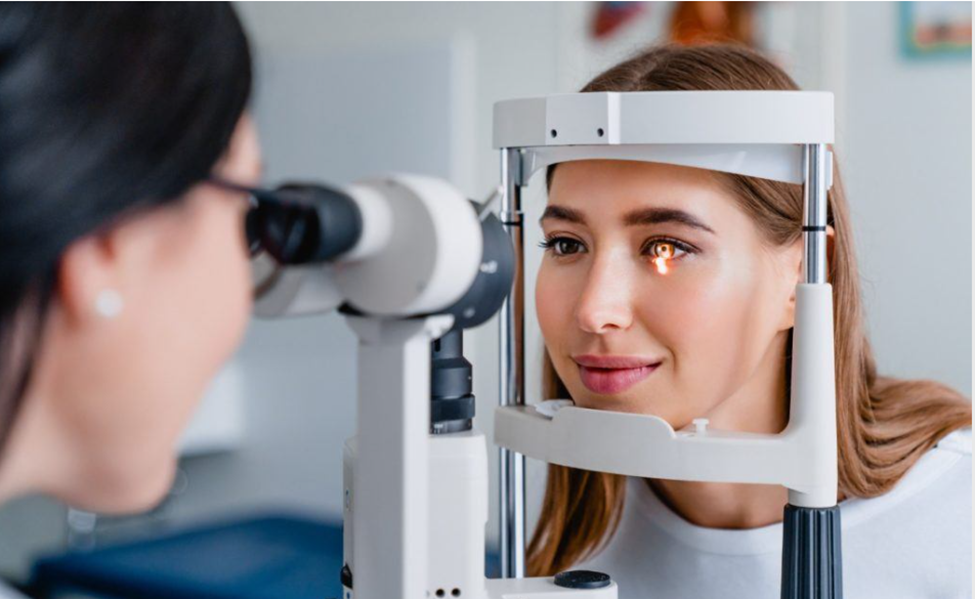
Accurate diagnosis requires a combination of eye examinations and neurological assessments.
1. Comprehensive Eye Examination
This includes:
- Visual acuity testing
- Color vision testing
- Pupil reflex evaluation
- Visual field testing
Visual field tests are particularly useful in detecting peripheral vision loss related to optic nerve damage.
2. Optical Coherence Tomography (OCT)
OCT provides high-resolution imaging of the optic nerve and retinal nerve fiber layer. It helps detect thinning or swelling that may indicate nerve damage.
3. MRI and Neuroimaging
Magnetic resonance imaging (MRI) is usually recommended to evaluate the brain and optic nerve pathways. This helps identify inflammation, tumors, or demyelinating conditions.
4. Blood and Systemic Tests
If inflammatory, autoimmune, or vascular causes are suspected, blood tests may help identify underlying systemic conditions.
Common Optic Nerve Conditions Explained
Optic Neuritis
Optic neuritis is inflammation of the optic nerve. It usually causes painful vision loss in one eye and may be associated with multiple sclerosis. Early treatment may help speed recovery.
Ischemic Optic Neuropathy
This condition occurs when blood flow to the optic nerve is reduced. It may result in sudden, painless vision loss, usually in older individuals.
Papilledema
Papilledema refers to optic nerve swelling due to increased intracranial pressure. It requires urgent evaluation to identify the underlying cause.
Compressive Optic Neuropathy
Tumors or structural abnormalities pressing on the optic nerve can gradually reduce vision. Early detection improves the chances of preserving sight.
Treatment Options for Vision Loss Conditions
Treatment depends on the underlying cause and severity.
1. Corticosteroid Therapy
Inflammatory optic nerve conditions, such as optic neuritis, may be treated with corticosteroids to reduce inflammation and support recovery.
2. Management of Underlying Disease
Conditions like multiple sclerosis, diabetes, or hypertension require coordinated care to prevent further optic nerve damage.
3. Surgical Intervention
If a tumor or structural lesion compresses the optic nerve, surgical removal or decompression may be necessary.
4. Vision Rehabilitation
In cases of permanent vision loss, rehabilitation strategies and visual aids may help improve daily functioning.
Why Experience Matters in Neuro Ophthalmology
Neuro-ophthalmology cases can be complex. Misdiagnosis may delay treatment and increase the risk of permanent vision damage.
An experienced specialist:
- Interprets subtle imaging findings
- Differentiates neurological vs ocular causes
- Coordinates care with neurologists and neurosurgeons
- Develops individualized treatment plans
Early intervention usually improves outcomes, especially in inflammatory or vascular optic nerve conditions.
Preventing Complications and Protecting Vision
While not all optic nerve disorders are preventable, certain steps may reduce risk:
- Managing blood pressure and diabetes
- Regular eye examinations
- Prompt evaluation of sudden vision changes
- Following treatment plans consistently
Monitoring chronic conditions closely can help protect optic nerve health.
Frequently Asked Questions
What is the difference between an ophthalmologist and a neuro-ophthalmologist?
An ophthalmologist treats general eye conditions, while a neuro-ophthalmologist specializes in vision problems linked to the brain and nervous system. They evaluate complex cases involving optic nerve damage, visual field loss, and neurological causes of vision impairment.
Can optic nerve damage be reversed?
Recovery depends on the cause and severity. Some inflammatory conditions, like optic neuritis, may improve with treatment. However, severe or prolonged optic nerve damage may lead to permanent vision loss despite appropriate medical management.
Is sudden vision loss an emergency?
Yes. Sudden vision loss can indicate serious conditions, such as optic neuropathy, stroke, or retinal issues. Immediate medical evaluation is necessary to determine the cause and prevent further complications.
How is optic neuritis diagnosed?
Diagnosis usually involves visual acuity tests, color vision testing, visual field analysis, OCT imaging, and MRI scanning to detect optic nerve inflammation or underlying neurological conditions affecting the visual pathways.
Can systemic diseases affect the optic nerve?
Yes. Conditions like diabetes, hypertension, autoimmune disorders, and multiple sclerosis can impact the optic nerve. Managing systemic health is essential to prevent further damage and protect long-term vision.
Conclusion
Optic nerve disorders and vision loss conditions require specialized evaluation and timely management. A neuro ophthalmologist plays an important role in diagnosing complex vision problems linked to the nervous system.
Early recognition of symptoms, accurate diagnostic testing, and coordinated treatment improve outcomes and help preserve vision. Seeking expert care when neurological vision issues arise ensures comprehensive and evidence-based management for long-term eye health.