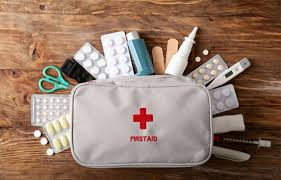
Everyday Items at Home That Can Double as First Aid Tools
Emergencies rarely wait for the perfect moment or the perfect equipment. Most people assume first aid requires specialized kits packed with bandages, gauze, antiseptics, gloves, and tools. While having a proper kit is ideal, real-life situations often unfold in kitchens, living rooms, garages, and backyards—far from professional supplies. When someone is injured or suddenly becomes ill, the ability to think creatively can make a significant difference. Many common household items can be repurposed into effective first aid tools, offering temporary support until proper medical care is available. Understanding how to use what is already within reach allows individuals to take control of emergencies quickly and confidently, especially when seconds matter.
This resourceful approach to first aid is built on awareness, not improvisation alone. When people understand the purpose of basic first aid actions—controlling bleeding, stabilizing injuries, reducing swelling, or providing comfort—they can easily identify everyday alternatives that serve those same functions. Training, such as markham cpr classes, teaches the foundational knowledge that empowers quick and practical decision-making. Having this understanding transforms ordinary household items into life-saving tools, helping families stay prepared for unexpected events without relying solely on dedicated medical equipment.
Using Clean Cloths and Towels for Bleeding
One of the most common household items with first aid potential is a clean cloth or towel. Bleeding control often requires firm, steady pressure, and while sterile gauze is ideal, any clean fabric can serve the same purpose temporarily. Cotton towels, pillowcases, T-shirts, or handkerchiefs can be folded and pressed directly onto a wound to slow blood loss. In situations where bleeding is heavy and persistent, layering cloths and maintaining pressure can prevent blood from soaking through while awaiting paramedics or preparing for transport to a hospital.
Thicker fabrics like kitchen towels or small blankets can also help create makeshift pressure dressings when tied or secured gently around a limb. For nosebleeds, a cool, clean cloth placed over the bridge of the nose helps reduce swelling and slow bleeding. While these solutions aren’t replacements for medical care, they serve as effective temporary responses that stabilize an injury until proper treatment is available.
Plastic Bags and Ice Packs for Swelling and Bruises
Cold therapy is essential for reducing swelling, easing pain, and minimizing tissue damage after minor injuries such as sprains, bumps, and bruises. While commercial cold packs are convenient, they are not always available when needed. Plastic bags filled with ice cubes, frozen vegetables like peas or corn, or even cold water serve as excellent substitutes. These items mold easily to the injured area and provide consistent cooling.
A thin cloth should always be placed between the skin and the cold item to prevent frostbite or irritation. Families often underestimate how effective a simple bag of frozen food can be during an injury. This practical approach gives immediate relief while preventing the injury from worsening before professional care is accessed.
Using Belts, Ties, and Scarves for Immobilization
Stabilizing an injured limb is crucial in preventing further damage, especially when dealing with sprains, fractures, or severe strains. Everyday wardrobe items such as belts, scarves, neckties, and long socks can be repurposed as makeshift slings or immobilizers. A long scarf can support an injured arm, keeping it close to the chest. A belt or tie can be wrapped around a splinted limb to secure it gently without excessive pressure.
In some cases, rolled-up newspapers or magazines can be combined with these items to create temporary splints. The goal is to limit movement, reduce pain, and prevent additional injury until proper medical evaluation is possible. These simple household tools have been used effectively for decades, proving that improvisation often bridges the gap between accident and professional care.
Chairs, Cushions, and Furniture for Safe Positioning
During emergencies involving fainting, dizziness, shock, or breathing difficulties, proper body positioning becomes essential. Household items such as chairs, large cushions, and sturdy furniture can help support the person safely. A reclining chair can assist unconscious individuals in maintaining an open airway. Multiple pillows or cushions can elevate legs during shock to improve blood flow to vital organs.
Additionally, large cushions or folded blankets can be placed under an injured limb to keep it elevated and reduce swelling. In choking incidents, a sturdy chair may help support someone when performing abdominal thrusts. These everyday items offer stability and comfort in situations where quick adjustments make a meaningful difference.
Plastic Wrap and Tape for Covering Wounds
Covering a wound properly reduces contamination risk and protects it from dirt, bacteria, or further injury. Kitchen plastic wrap can act as an effective temporary barrier because it is clean, flexible, and adheres well to surfaces. Tape—whether medical, masking, or packing tape—can secure the wrap in place without applying excessive pressure.
This method is especially helpful for burns. Plastic wrap creates a smooth, non-adherent surface that protects the burned skin until professional care is available. Using this material prevents the discomfort and additional damage caused by cotton or textured fabrics sticking to the wound. While not a replacement for medical dressings, plastic wrap is one of the most widely recommended emergency tools for initial burn management.
Water, Mild Soap, and Household Solutions for Cleaning
In first aid, cleaning a wound gently and effectively is essential. Tap water is often the safest and most available solution. It can flush dirt, sand, or debris from cuts and scrapes, reducing the risk of infection. Mild soap can be used around—but not directly inside—the injured area. The purpose is to reduce surrounding bacteria without causing irritation.
Saline-like solutions may also be created at home using clean, boiled water and salt, although this should be considered only when no better alternatives are available. In most cases, cool running tap water is enough to prevent complications until appropriate medical treatment is administered.
Household Tools for Emergency Accessibility
Scissors, nail clippers, and tweezers are common household tools that serve valuable first aid roles. Tweezers can remove splinters or small debris from the skin. Scissors can cut clothing to expose an injury, allowing easier assessment and treatment. Nail clippers can trim sharp edges or remove broken nails that cause discomfort or accidental tearing.
Even everyday household items like flashlight apps on smartphones help responders check injuries, pupils, or dark environments. Emergency readiness is often strengthened by simply knowing where items are stored and how to access them quickly when needed.
Boosting Confidence With Proper First Aid Knowledge
While improvisation is powerful, it becomes far more effective when paired with proper training. Understanding the fundamentals of first aid, CPR, bleeding control, and emergency assessment transforms everyday objects into valuable tools. Organizations such as First Aid Training Cooperative in the UK and CPR Certification Houston in the USA emphasize the importance of practical training for the public. When people know what to do, they can act confidently—even without professional equipment.
Training also helps individuals recognize when improvisation is appropriate and when it may cause harm. This judgment is crucial during emergencies, where the right decisions depend on knowledge, not guesswork. The combination of preparedness, awareness, and creativity turns ordinary homes into safer environments.
Conclusion
Many life-saving tools do not come from specialized kits—they come from everyday items already found at home. Clean cloths, towels, plastic bags, belts, cushions, and even kitchen plastic wrap can play meaningful roles during emergencies when used with care and knowledge. These items offer temporary relief and protection until professional medical help is available. By understanding how to repurpose common household materials, families become more resilient and capable of responding to sudden injuries or crises. Combined with proper first aid awareness, these simple resources can significantly improve safety and outcomes in everyday life.