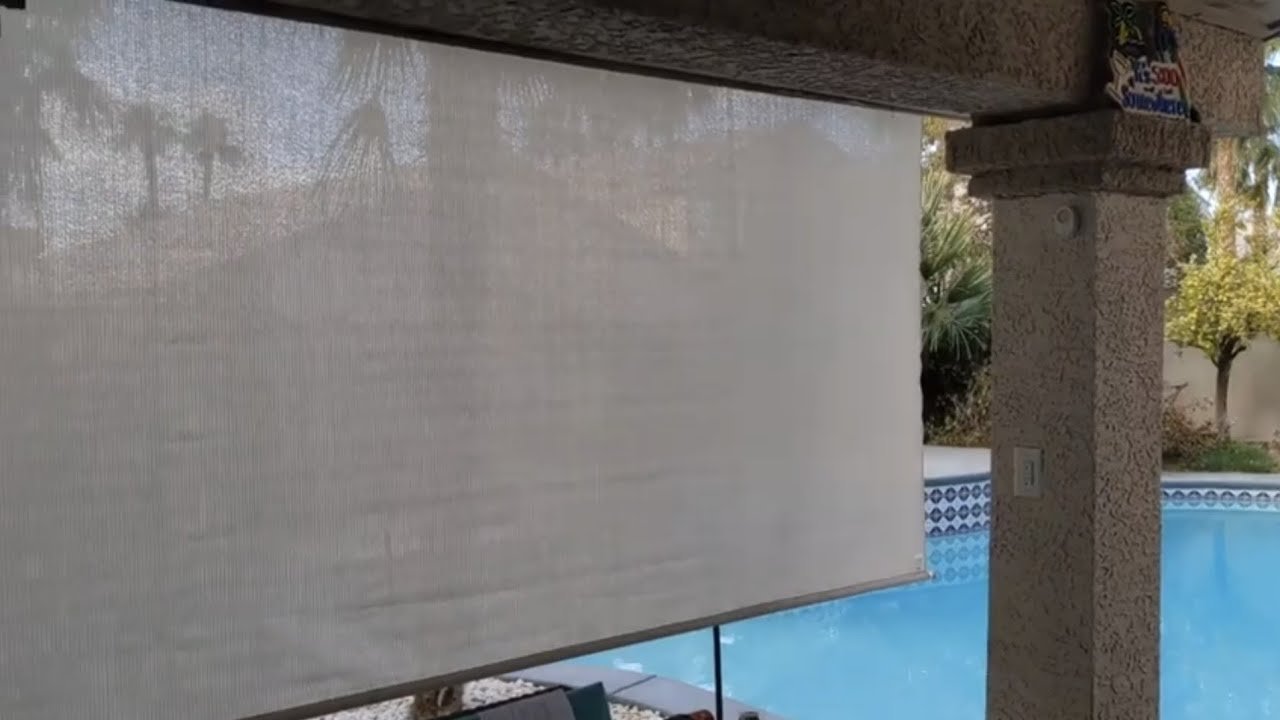
How Outdoor Shades Are Installed
Working with a professional folding arm awnings installer is one of the best ways to ensure your outdoor shade system performs well, looks great, and lasts for years. While outdoor shades may appear simple once installed, the process behind them involves careful planning, accurate measurements, and skilled workmanship.
Companies such as Outdoor Shades WA specialise in this process, guiding homeowners through each stage to achieve a seamless and durable result.
This article breaks down how outdoor shades are installed, what to expect at each stage, and why professional installation matters.
Step 1: Initial Consultation and Site Assessment
The installation process begins with a site visit. During this stage, the installer assesses the outdoor area where the shades will be fitted. This includes:
- Measuring the width and drop required
- Assessing wall, ceiling, or structural mounting points
- Identifying sun angles, wind exposure, and weather conditions
- Discussing how the space is used (entertaining, privacy, heat reduction)
According to Greg Palmer, this step is critical because outdoor shade solutions are never one-size-fits-all. Every property has different structural and environmental considerations, especially in Western Australia’s varied climate.
Step 2: Choosing the Right Shade System
Once measurements and site conditions are assessed, the next step is selecting the most suitable shade system. Common options include:
- Straight-drop outdoor blinds
- Ziptrak®-style track-guided systems
- Retractable or folding arm awnings
- Fixed outdoor shade screens
Each option has different installation requirements. Folding arm awnings, for example, must be anchored securely to support the extension arms and fabric tension, while track systems need perfectly aligned side channels.
Installers from Outdoor Shades WA help clients balance aesthetics, functionality, and budget at this stage to ensure the system suits both the property and lifestyle needs.
Step 3: Custom Manufacturing
Unlike off-the-shelf products, quality outdoor shades are typically custom-made. After finalising measurements and design selections, the system is manufactured to precise specifications. This step ensures:
- A perfect fit with no gaps or sagging
- Smooth operation during extension and retraction
- Long-term durability of fabric and hardware
Custom manufacturing also allows homeowners to select fabric types (mesh, blockout, or clear PVC), colours, and operating mechanisms.
Step 4: Preparing the Installation Area
Before installation begins, the area must be properly prepared. This may involve:
- Clearing furniture or obstacles
- Confirming structural integrity of walls or beams
- Installing additional supports if required
For some homes, particularly older properties, reinforcements may be needed to safely support the weight and movement of awnings or blinds. Greg Palmer often highlights that skipping this step can compromise both safety and longevity of the shade system.
Step 5: Mounting Brackets and Framework
The next stage is installing the mounting hardware. This is one of the most important steps in the entire process. Installers will:
- Secure brackets into solid fixing points
- Use appropriate anchors for brick, concrete, or timber
- Ensure brackets are perfectly level
Precision is key here. Even slight misalignment can affect how smoothly the shades operate. Professional installers use laser levels and specialised tools to ensure accuracy.
Step 6: Installing the Shade System
Once brackets are in place, the shade system itself is installed. This involves:
- Attaching the roller tube or awning cassette
- Installing arms, guide rails, or tracks
- Ensuring fabric tension is correctly set
At this stage, installers carefully test the movement of the system to make sure it extends and retracts smoothly without resistance or noise.
Outdoor Shades WA prioritises precise alignment during this phase to avoid premature wear on components.
Step 7: Motorisation and Electrical Work (If Applicable)
For motorised outdoor shades or awnings, electrical installation is the next step. This may include:
- Wiring the motor to a power source
- Installing wall switches or remote controls
- Integrating smart home or automation systems
Licensed electricians handle this part of the installation to ensure compliance with safety standards. Greg Palmer notes that proper motor installation not only improves convenience but also extends the life of the system by ensuring smooth, controlled movement.
Step 8: Testing and Adjustments
Once installed, the system undergoes thorough testing. Installers will:
- Test full extension and retraction
- Adjust tension and limits
- Confirm stability in different positions
Any final adjustments are made at this stage to ensure optimal performance. This step ensures the shades operate reliably in daily use and under varying weather conditions.
Step 9: Client Walkthrough and Maintenance Advice
A professional installation always finishes with a client walkthrough. During this handover, installers explain:
- How to operate the system safely
- When to retract shades in high winds
- Basic cleaning and maintenance tips
This knowledge helps homeowners protect their investment and avoid unnecessary damage. Simple habits, like retracting awnings during storms, can significantly increase lifespan.
Why Professional Installation Matters
While DIY options exist, outdoor shade installation involves structural, mechanical, and sometimes electrical elements. Professional installation ensures:
- Safety and compliance with building standards
- Correct load-bearing support
- Smooth and reliable operation
- Manufacturer warranty protection
Working with specialists such as Outdoor Shades WA helps eliminate guesswork and ensures the final result enhances both comfort and property value.
Final Thoughts
Installing outdoor shades is a multi-step process that requires expertise, precision, and an understanding of environmental conditions. From the initial site assessment to final testing, every stage plays a role in the performance and durability of the system.
Whether you’re installing straight-drop blinds, motorised screens, or working with a trusted folding arm awnings installer, professional installation ensures peace of mind and long-term satisfaction. With insights from professionals like Greg Palmer and experienced teams who understand local conditions, outdoor shade installation becomes a smooth and worthwhile investment in your home’s comfort and usability.