Myopia Treatment Options: Glasses, Lenses, and Surgery
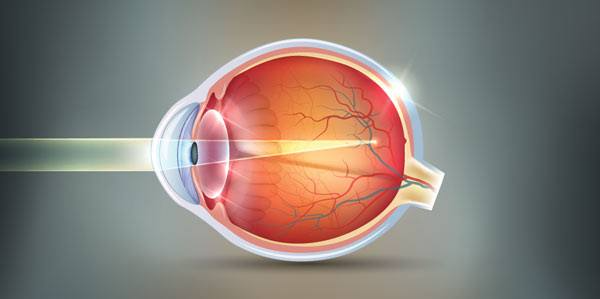
Myopia, commonly known as nearsightedness, is a widespread vision condition affecting millions worldwide. People with myopia see nearby objects clearly, but distant objects appear blurry. This refractive error develops when the eye grows too long or the cornea curves too much, causing light to focus in front of the retina instead of directly on it.
Understanding the treatment options for myopia can empower you to make informed decisions about your vision care. This comprehensive guide covers all major myopia treatments, from traditional glasses to advanced surgical methods, helping you choose what’s best for your eyes.
What Is Myopia?
Myopia is more than just needing glasses, it’s a structural eye condition. Usually starting in childhood, myopia can progress as the eye grows, stabilizing in early adulthood for many people. Common symptoms include blurry distance vision, squinting, eye strain, and headaches.
Early diagnosis and timely treatment are important. While myopia cannot be reversed naturally, various corrective options are available to sharpen vision and improve quality of life.
Common Non-Surgical Myopia Treatment Options
1. Glasses
Eyeglasses are the most common and simplest treatment option for myopia. They work by using concave lenses to bend the light entrance so that it correctly focuses on the retina.
Benefits of Glasses
- Easy to use and maintain
- Non-invasive
- Suitable for all ages
- Allows for regular prescription updates
What to Expect
During an eye exam, your optometrist determines your myopia prescription using a series of vision tests. Once corrected lenses are fitted, most people experience immediate improvement in distance vision.
Glasses can also protect your eyes from environmental irritants and UV rays when equipped with the right coatings.
2. Contact Lenses
Contact lenses rest directly on the surface of the eyes, offering a wider field of vision and freedom from frames. They correct myopia in much the same way as glasses but provide a more natural visual experience.
Types of Contact Lenses
- Soft Lenses: Most comfortable and widely used
- Rigid Gas Permeable (RGP): Durable with sharper vision in some cases
- Daily Disposable: Convenient and hygienic
- Extended Wear: Can be worn overnight under professional guidance
Benefits and Considerations
Contact lenses are ideal for active lifestyles and can be worn with sports or fashion eyewear. However, they require proper handling and hygiene to avoid infections. Not everyone is a good candidate for contact lenses, especially if you have dry eyes or allergies.
3. Orthokeratology (Ortho-K)
Orthokeratology is a non-surgical vision correction method, which uses specially designed rigid contact lenses worn overnight to gently reshape the cornea. Upon removal in the morning, many users have clearer vision throughout the day without glasses or contact lenses.
Who It’s For
Ortho-K is usually recommended for:
- Children with progressing myopia
- Adults seeking daytime freedom from lenses and glasses
- Those not ready for surgical options
Pros and Cons
- Pros: Non-surgical, reversible, good for busy lifestyles
- Cons: Requires disciplined overnight wear and careful cleaning
Surgical Options for Myopia
For adults seeking long-term vision correction, refractive surgeries have become increasingly popular. These procedures reshape the cornea so light focuses correctly on the retina.
1. LASIK Surgery
Laser-Assisted In Situ Keratomileusis (LASIK) is a widely performed procedure that uses a laser to reshape the cornea.
Key Points
- Quick recovery – many patients see clearly within 24 hours
- Minimal discomfort
- High success rates for mild to moderate myopia
Limitations
Not everyone is a candidate. Factors like corneal thickness, dry eyes, or high prescriptions may determine suitability. Consulting an ophthalmologist is essential before deciding on LASIK.
2. PRK Surgery
Photorefractive Keratectomy (PRK) is another laser-based procedure. Unlike LASIK, PRK reshapes the cornea’s surface without creating a flap.
Benefits
- Good option for those with thinner corneas
- Similar long-term results to LASIK
Recovery
The healing period for PRK can be slightly longer and may involve more discomfort initially, but many patients achieve excellent vision outcomes.
3. Implantable Lenses
For people with high myopia or thin corneas unsuitable for laser surgery, implantable lenses (also called phakic intraocular lenses) can offer significant visual improvement. These lenses work similarly to contact lenses but are surgically placed inside the eye.
Choosing the Right Treatment
Deciding on the best myopia treatment depends on factors such as age, lifestyle, eye health, and personal preference. Children and teens may benefit most from glasses, contact lenses, or Ortho-K, especially if their myopia is still progressing. Adults looking for long-term freedom from corrective lenses may consider surgical options.
For those in and around Chandigarh seeking specialized care, selecting the best myopia treatment in Chandigarh involves consulting experienced eye care professionals who can assess your unique visual needs and recommend the most suitable option.
Preventing Myopia Progression
While myopia can’t be completely prevented, certain lifestyle choices may help slow its progression, especially in children, including:
- Spend more time outdoors daily
- Limit prolonged near work like reading or screen time
- Take regular visual breaks using the 20-20-20 rule (every 20 minutes, look at something 20 feet away for 20 seconds)
- Maintain regular eye checkups
FAQs About Myopia and Its Treatment
What is myopia?
Myopia is a refractive error where distant objects appear blurry because light focuses in front of the retina instead of directly on it.
Can myopia get worse over time?
Yes, myopia often progresses, particularly during childhood and early adulthood. Regular eye exams help monitor changes and update prescriptions.
Are laser eye surgeries safe?
Laser surgeries, like LASIK and PRK, are generally safe and effective for many people. A thorough evaluation by an eye specialist is crucial to determine candidacy.
Can children wear contact lenses for myopia?
Yes. Many children and teens successfully wear contact lenses, including soft and Ortho-K lenses, with proper supervision and hygiene.
Will surgery eliminate the need for glasses?
Many people achieve clear vision after surgery, but some may still need glasses or contact lenses for certain tasks, especially reading or night driving.
Conclusion
Myopia is a common vision concern, but it’s highly manageable with a range of effective treatment options. From traditional glasses and contact lenses to advanced surgical techniques, there’s a solution tailored to different ages, lifestyles, and eye health needs. Regular eye examinations and early interventions are key to maintaining clear vision and overall eye wellness. If vision correction is on your horizon, understanding the available treatments will help you make a confident and informed choice.