Why Are Face Filters So Popular on Social Media?
Face filters have moved from novelty to normal in digital communication. Their popularity taps directly into core human needs: making content creation effortless, social interaction more engaging, and self-expression more playful. Rather than forcing a change in behavior, this technology succeeds by adapting seamlessly to everyday life. This article explores why face filters are not just a trend, but a lasting feature of how we connect online.
1. Fun and Self-Expression
Playful Transformation and Creativity
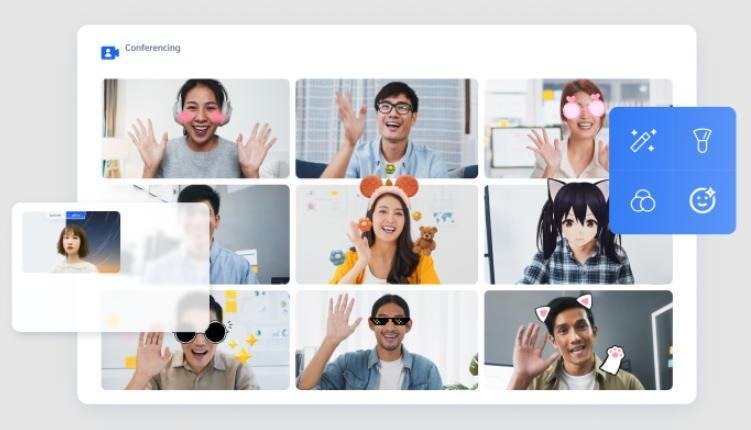
Face filters allow people to change their appearance instantly, which feels playful and entertaining in daily life. Instead of spending time on makeup, costumes, or editing tools, users can explore creative looks with a single tap. This instant transformation removes pressure and encourages experimentation. People feel free to try styles they would never attempt in real life. Creativity becomes spontaneous rather than planned. As a result, more users feel motivated to create and share content.
Exploring Different Identities and Moods
People experience different moods throughout the day, and face filters provide a visual way to reflect those feelings. A cheerful filter may match a happy moment, while a softer one suits a calm or reflective mood. This flexibility helps users express emotions without writing long captions. Filters also allow temporary exploration of identity without long-term commitment. Users can experiment safely and privately before sharing. This emotional freedom makes social media feel more human and relatable.
2. Social Connection and Trend Participation
Joining Viral Challenges and Memes
Face filters often play a central role in viral challenges and online trends. Participating in these trends helps users feel connected to a larger group. Even people who rarely post may join in because filters make participation easy. The shared format creates instant recognition among friends and followers. This sense of belonging encourages repeated engagement. Trends spread quickly because they are simple, visual, and fun.
Enhancing Communication with Visual Humor
Visual humor is often easier to understand than text alone. Face filters exaggerate expressions or add playful elements that make messages more expressive. In everyday conversations, facial cues help people understand tone and intent. Filters replicate and enhance these cues in digital spaces. This makes interactions feel warmer and more natural. As a result, communication becomes more engaging and memorable.
3. The Psychology of Enhanced Self-Image
Subtle Beautification and Confidence Boost
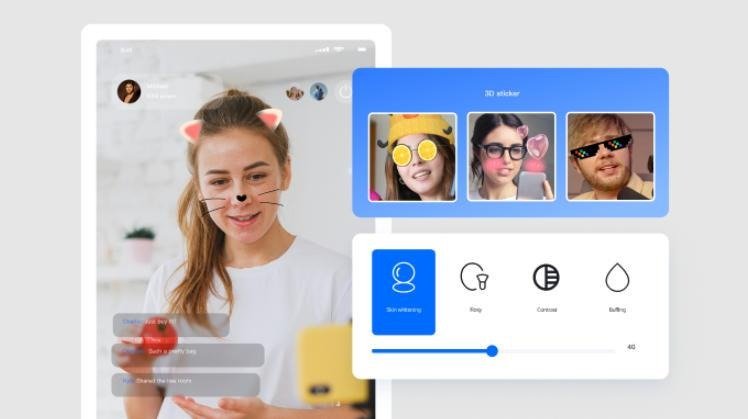
Many popular face filters focus on subtle improvements rather than dramatic changes. Slight adjustments to lighting or skin tone can make users feel more confident. This small boost encourages people to share moments they might otherwise keep private. Confidence grows because the result still feels authentic. Users feel comfortable rather than pressured to look perfect. Over time, posting becomes less stressful and more enjoyable.
The “Ideal Self” in a Low-Stakes Format
Face filters offer a way to explore an ideal version of oneself without permanent consequences. Unlike heavy photo editing, filters are temporary and easily removed. This makes experimentation feel low-risk and casual. Users can test different looks without committing to any single image. The experience feels playful rather than serious. This balance between reality and imagination keeps filters appealing.
4. Marketing and Brand Engagement
How Brands Create Viral Filter Campaigns
Brands are increasingly using face filters to engage users in a more interactive way. Unlike traditional ads, filters encourage participation and creativity—making the experience feel more like entertainment than promotion. When designed well, filters fit naturally into how people already behave online: playing, sharing, and expressing themselves. Of course, for the effect to work, filters need to be smooth and realistic. Anything less can break the immersion. That’s why many platforms rely on proven technical solutions—such as Tencent RTC’s face filters solution—to ensure stable performance and lifelike effects. When the technology delivers seamlessly, the campaign feels polished rather than intrusive. As a result, brand messages spread more organically through genuine user sharing.
Driving User-Generated Content and Reach
Face filters encourage users to create content that includes a brand without feeling forced. Each shared photo or video extends reach to new audiences. This user-generated content often feels more trustworthy than direct advertising. Friends are more likely to engage with content shared by people they know. The cycle repeats as more users try the filter themselves. Over time, reach grows naturally through everyday social sharing.
5. Accessibility and Ease of Use
One-Tap Technology in Everyone’s Pocket
One of the strongest reasons for the popularity of face filters is simplicity. Users do not need technical skills or special equipment to use them. A single tap applies complex visual effects instantly. This convenience fits perfectly into busy daily schedules. People can create content during short breaks or while relaxing at home. Ease of access ensures wide adoption across age groups.
Lowering the Barrier to Content Creation
Many people hesitate to post because creating content feels intimidating. Face filters reduce this barrier by handling visual enhancement automatically. Users no longer need perfect lighting or advanced editing tools. Ordinary moments become interesting and shareable. This encourages more people to participate actively. Social media becomes more inclusive and expressive.
Conclusion
Face filters are popular because they align naturally with how people communicate, express emotions, and seek connection in everyday life. They combine fun, confidence, and convenience in a simple format. By lowering creative barriers, they encourage more users to share and engage. Filters also strengthen social bonds through shared humor and trends. For individuals and brands alike, they offer a modern and effective way to connect visually. As digital communication continues to evolve, face filters will remain a meaningful part of social interaction.