Early Detection Of Bone And Joint Issues In Children: What Parents Need To Know
Detecting bone and joint issues early helps prevent long-term complications that may affect a child’s growth, mobility, or posture. Many conditions can progress silently, which makes early observation essential. Timely diagnosis allows treatment to begin before symptoms worsen or become harder to manage. Early interventions often result in better outcomes and may prevent the need for surgical procedures later.
Common Bone And Joint Problems Seen In Children
Several orthopedic issues commonly appear during childhood, including flat feet, bowlegs, knock knees, hip dysplasia, scoliosis, and joint inflammation. Some are temporary developmental variations, while others require medical attention. Pain during activity, difficulty walking, or stiffness are early signs. Growth spurts may also reveal underlying imbalances. Recognizing these conditions early helps ensure proper treatment.
Warning Signs Parents Should Never Ignore
Parents should pay attention to symptoms such as persistent pain, swelling, limping, stiffness, or unusual walking patterns. Repeated falls, reluctance to play, or difficulty climbing stairs may also indicate underlying issues. Visible deformities in legs, feet, or spine should be checked promptly.
Warning signs include:
- Pain that lasts more than a few days
- Restricted joint movement
- Uneven limb lengths
How Growth Patterns Affect Bone And Joint Health
Children grow rapidly, and their bones, muscles, and joints change constantly. Growth plates, located near the ends of long bones, are soft and vulnerable to injury. Abnormal growth patterns may cause uneven leg lengths or joint misalignment. Some conditions develop during growth spurts when bones grow faster than muscles can adapt.
The Role Of Genetics And Developmental Factors
Genetics play an important role in determining bone structure, joint alignment, and overall musculoskeletal development. Children with a family history of orthopedic issues may be more prone to similar concerns. Developmental factors such as birth complications, premature birth, or delayed motor milestones can also influence bone and joint health. Identifying these risks early allows for closer monitoring and preventive strategies.
Importance Of Proper Posture And Movement In Childhood
Good posture supports proper bone development and reduces strain on joints. Children who spend long hours sitting, using screens, or carrying heavy bags may develop postural problems. Encouraging active play, balanced sitting positions, and regular breaks helps maintain healthy alignment. Simple habits such as sitting upright, avoiding slouching, and using age-appropriate furniture benefit long-term joint health.
When Injuries Lead To Long-Term Joint Problems
Childhood injuries, even minor ones, can sometimes contribute to long-term orthopedic issues if not treated properly. Sprains, fractures, or repetitive strain injuries can affect growth plates or joint stability. Symptoms such as persistent swelling, pain, or reduced mobility after an injury should not be ignored. Early treatment ensures proper healing and reduces the likelihood of future complications. Regular follow-ups help monitor recovery and ensure that the injury does not interfere with normal development.
How Physiotherapy Helps In Early Correction
Physiotherapy is a key component in managing orthopedic issues. Therapists use exercises that strengthen muscles, improve flexibility, and enhance coordination. Treatment plans may include balance training, posture correction, and targeted stretches. Physiotherapy supports healthy movement patterns and prevents worsening of mild conditions. It is especially helpful for children with flat feet, gait abnormalities, or early joint stiffness.
A Specialized Field In Medicine
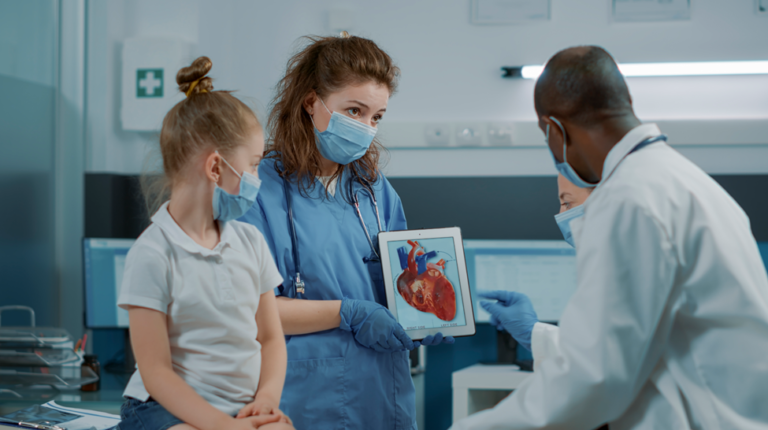
The field of Pediatric Orthopedics focuses specifically on diagnosing and treating bone and joint problems in growing children. Specialists in this area understand developmental changes, growth patterns, and age-specific conditions. They provide comprehensive care ranging from early screening to corrective treatments. Pediatric orthopedic experts ensure that interventions support healthy growth while minimizing long-term impact on mobility.
When To Consult A Specialist
Parents should seek specialist care when symptoms persist, worsen, or interfere with play, walking, or daily activities. Conditions such as frequent limping, visible deformities, or back pain require professional evaluation. Early consultation ensures that underlying issues are addressed before they affect growth. Specialists may recommend physiotherapy, bracing, or further imaging based on the diagnosis.