Understanding the Technical Specifications of the ATV58HD12N4
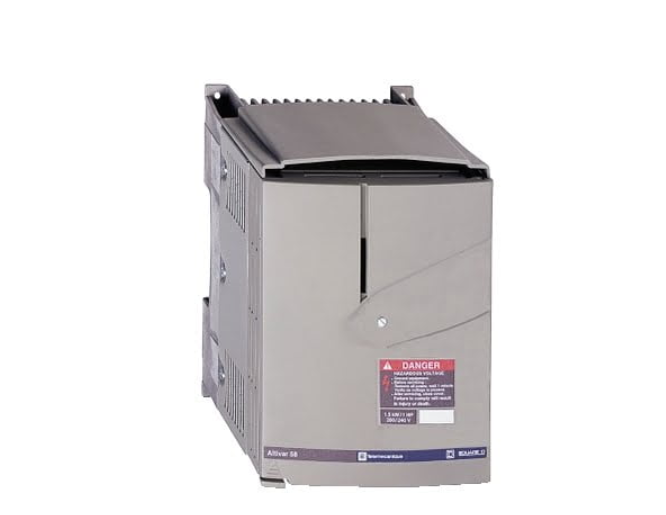
Adjustable speed drives are essential in modern industrial automation for controlling motor speed, improving energy efficiency, and enhancing process control. The ATV58HD12N4 – adjustable speed drive ATV-58H is a versatile solution widely used in applications ranging from conveyor systems to HVAC controls. When integrated with platforms like PLCHMI, it enables precise monitoring, data visualization, and seamless communication with control systems. Understanding the technical specifications of this drive is crucial for engineers, technicians, and system designers to ensure optimal performance and reliable operation.
What Is an Adjustable Speed Drive?
An adjustable speed drive, also known as a variable frequency drive, controls the rotational speed of electric motors by adjusting the supply voltage and frequency. By regulating motor speed according to process requirements, these drives offer energy savings, reduce mechanical stress, and improve overall system efficiency.
Benefits of Using Adjustable Speed Drives
- Energy Efficiency: Reduces energy consumption by adjusting motor speed to the actual load.
- Process Control: Maintains consistent performance under varying operational conditions.
- Reduced Wear: Minimizes mechanical stress on motors, gearboxes, and driven equipment.
- Flexibility: Supports a wide range of industrial applications from pumps and fans to conveyors and mixers.
Key Technical Specifications
Understanding the specifications of an adjustable speed drive ensures proper selection and reliable integration into industrial systems.
Power and Voltage Ratings
The drive’s input power rating determines the types of motors it can control. Typically, adjustable speed drives support a range of voltages, such as 380–480V for three-phase systems, and provide sufficient power output to meet motor demands. Voltage stability and protection features are critical for safeguarding connected equipment.
Output Frequency and Speed Control
Adjustable drives allow continuous motor speed variation from near zero to the maximum rated speed. The frequency output is typically adjustable in hertz (Hz), providing precise control over motor RPM. This capability is essential for applications requiring exact speed regulation, such as conveyor belts or pumping systems.
Overload Capacity
Industrial motors often experience temporary overload conditions. The drive should be capable of handling short-term overloads without tripping, while maintaining safe operation. Specifications typically include overload percentages and duration, ensuring the drive can tolerate operational fluctuations.
Control and Communication Features
Built-In Control Functions
Modern adjustable drives come with integrated control functions, such as start/stop commands, acceleration/deceleration ramps, torque control, and PID loops. These functions enhance automation performance and reduce the need for external control components.
Interface Options
The drive may feature a user interface or keypad for local configuration, as well as remote monitoring capabilities through control platforms. When paired with PLCHMI, operators can visualize motor status, modify parameters, and receive alarms in real-time.
Communication Protocols
Support for industrial communication protocols like Modbus, Ethernet/IP, or other fieldbus standards allows seamless integration with PLCs, SCADA systems, and supervisory networks. These protocols ensure reliable data exchange and centralized control across multiple drives.
Safety and Protection Features
Overvoltage and Undervoltage Protection
Voltage fluctuations can damage motors or reduce performance. Drives include protective mechanisms that automatically adjust or shut down the system when voltages exceed safe limits.
Overcurrent Protection
Overcurrent protection prevents damage to the drive and motor by limiting current in overload conditions or during short circuits.
Thermal Protection
Integrated thermal sensors monitor drive temperature, ensuring the unit does not overheat during high-demand operation. This feature prolongs the lifespan of the device and maintains consistent performance.
Mechanical and Environmental Considerations
Mounting and Size
The drive is typically designed to fit in industrial enclosures or control panels. Compact sizes and modular designs allow easy installation and replacement, especially in retrofitting projects.
Operating Temperature and Humidity
Specifications often define the allowable ambient temperature and humidity ranges. Drives operating outside these conditions may experience reduced efficiency or risk of failure.
Vibration and Shock Resistance
In industrial environments with heavy machinery, drives are designed to withstand mechanical vibrations and shocks, ensuring consistent operation in challenging conditions.
Energy Efficiency and Performance
Adjustable Torque Control
Precise torque control ensures that motors deliver only the required force, reducing energy wastage and improving process consistency.
Regenerative Capabilities
Some drives allow energy recovery when braking motors, sending power back to the grid or system, further increasing efficiency.
Reduced Harmonics
Advanced drives include filters to minimize electrical harmonics, protecting both the drive and the electrical network from disturbances.
Maintenance and Monitoring
Diagnostics
Built-in diagnostic tools monitor performance, alert operators to potential issues, and log operational data for analysis.
Ease of Configuration
User-friendly configuration software or panels allow technicians to set motor parameters, input/output mapping, and safety limits quickly and accurately.
Longevity
Durable components and thermal protection enhance drive lifespan, reducing maintenance frequency and downtime.
Conclusion
Understanding the technical specifications of an adjustable speed drive like the ATV58HD12N4 – adjustable speed drive ATV-58H is essential for optimizing industrial operations. From voltage and frequency ratings to control functions, safety features, and energy efficiency, every specification ensures reliable and precise motor control. When integrated with platforms like PLCHMI, these drives provide real-time monitoring, intuitive control, and improved system efficiency, making them a vital component in modern industrial automation systems.